
A Long Obedience 09 工作:注视最核心的事物
WORK: “If GOD Doesn’t Build the House”

The first great fact which emerges from our civilization is that today everything has become “means.” There is no longer an “end”; we do not know whither we are going. We have forgotten our collective ends, and we possess great means: we set huge machines in motion in order to arrive nowhere.

我们的文明暴露出的第一个大问题,
就是今天一切事情都变成“手段”。
再没有所谓“目的”存在,我们不知道要去哪里。
我们已经忘了集体目标是什么,但我们拥有伟大的手段:
启动了巨大的机器,却不知开向何方。

— 雅克·埃吕尔(Jacques Ellul, 1921~1994)
     法国著名学者,当代最有影响的技术哲学家之一


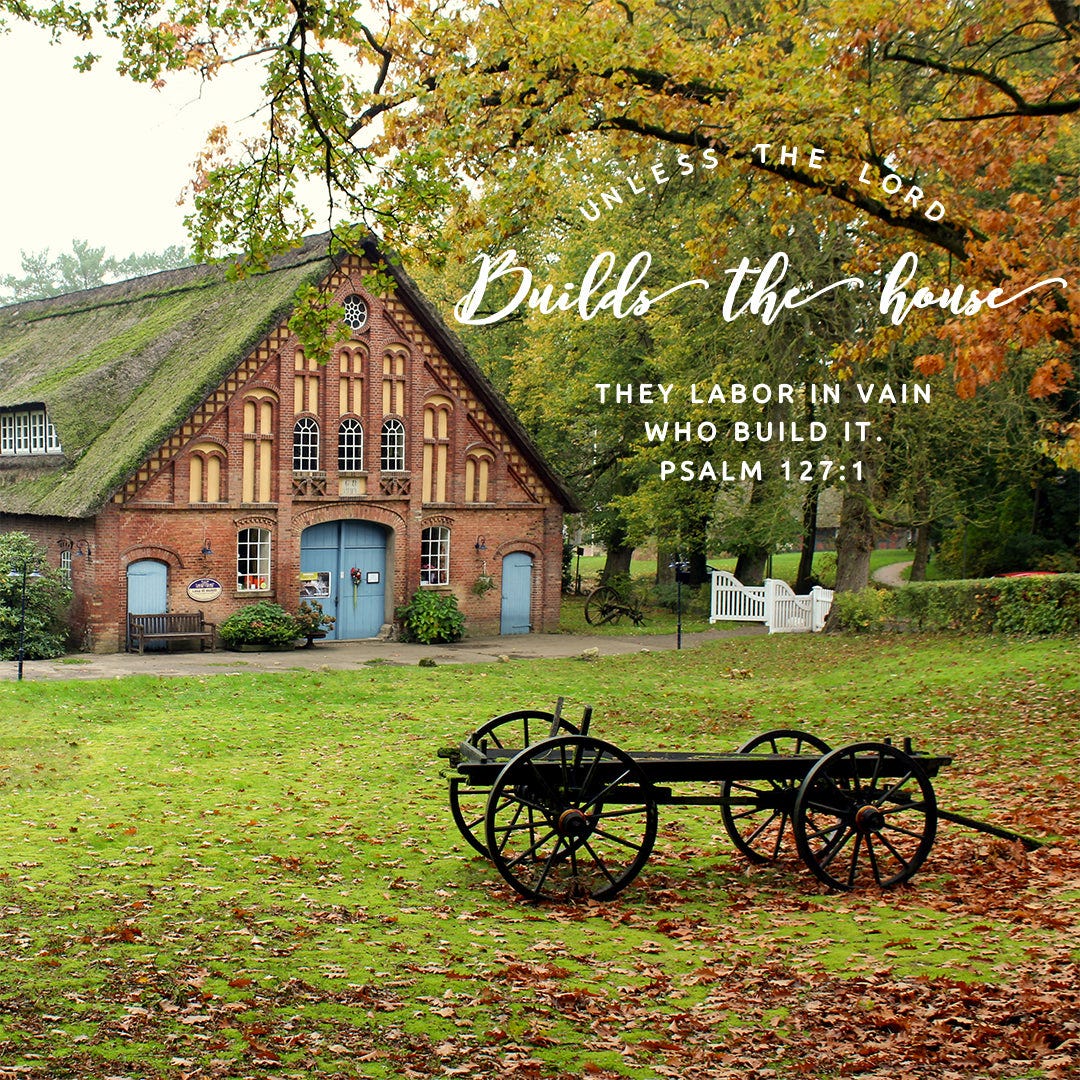
If GOD doesn't build the house,
the builders only build shacks.
If GOD doesn't guard the city,
the night watchman might as well nap.
It's useless to rise early and go to bed late,
and work your worried fingers to the bone.
Don't you know he enjoys
giving rest to those he loves?

Don't you see that children are GOD's best gift?
the fruit of the womb his generous legacy?
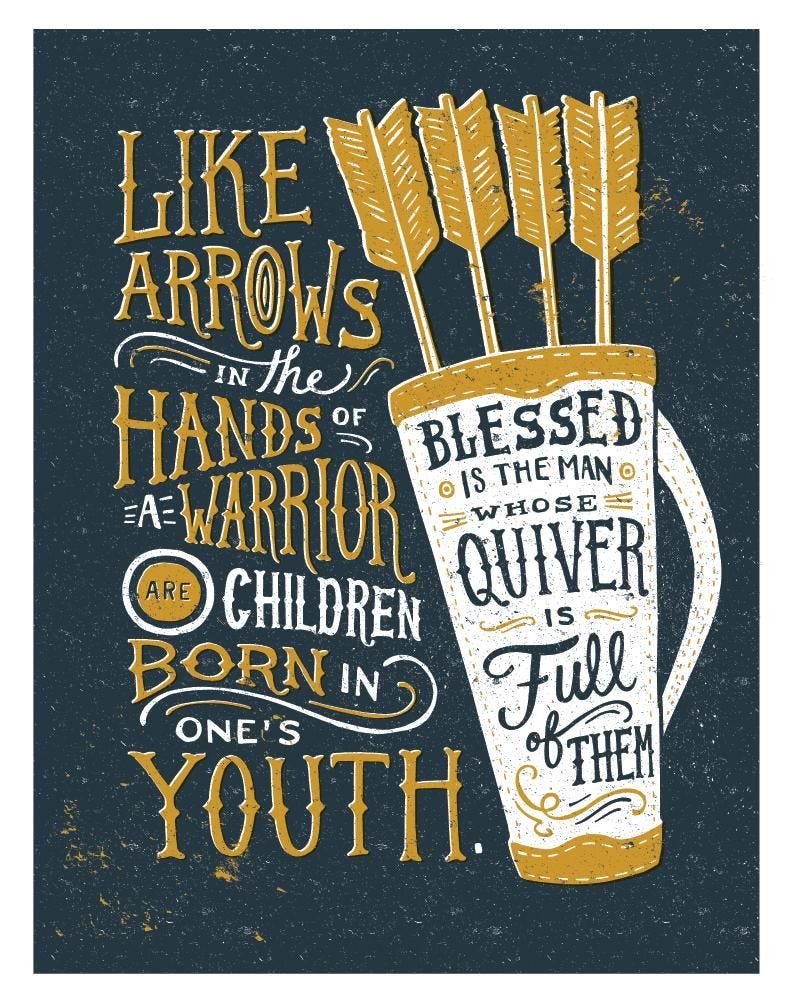
Like a warrior's fistful of arrows
are the children of a vigorous youth.
Oh, how blessed are you parents,
with your quivers full of children!
Your enemies don't stand a chance against you;
you'll sweep them right off your doorstep.

— PSALM 127

若不是上帝建造房屋,
建造的人恐怕只能搭个小棚子。
若不是上帝看守城池,
守夜的人可能会打瞌睡。
你们大清早起来,大半夜才睡,
手不停歇地做,本是枉然,
岂不知他喜欢
叫他所亲爱的人安歇?

岂不知儿女是上帝最好的礼物?
所怀的胎是他慷慨的赏赐?
少年时所生的儿女,
好像勇士手中的箭。
啊,你们做父母的何等有福,
儿孙满堂!
仇敌根本没有胜过你们的机会,
你们在门口就把他们清除尽净。

— 诗篇127篇
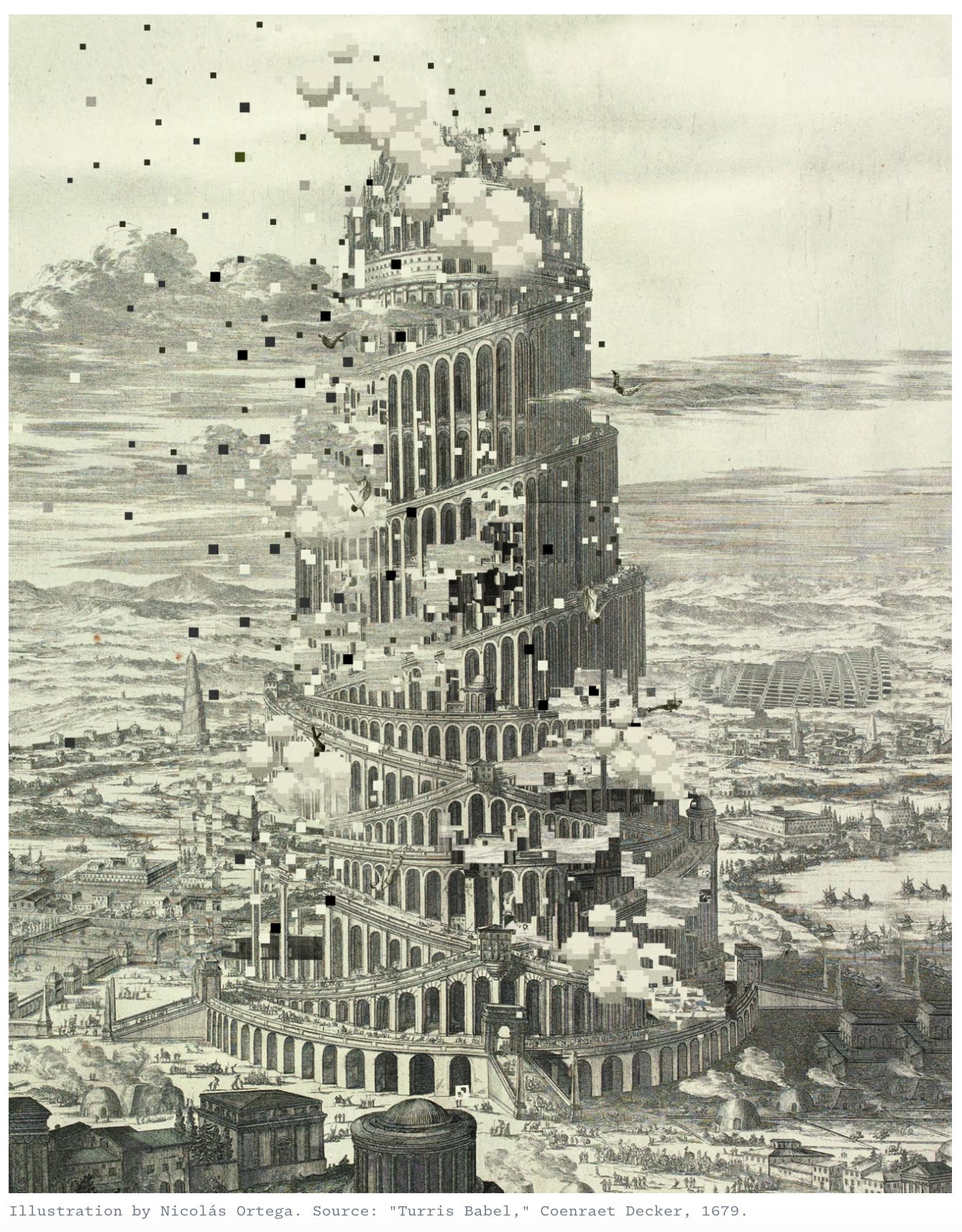
The greatest work project of the ancient world is a story of disaster. The unexcelled organization and enormous energy that were concentrated in building the Tower of Babel resulted in such a shattered community and garbled communication that civilization is still trying to recover. Effort, even if the effort is religious (perhaps especially when the effort is religious), does not in itself justify anything.
古代世界一件最浩大的工程,后来变成了大灾难—当时人类汇集了无与伦比的组织和精力,同心建造巴别塔,结果却沦为分散各地无法沟通的族群,人类文明至今还未能从这个惨痛的结局中恢复过来。即使这样的努力和宗教有关(特别当这样的努力和宗教有关),也不能自动证明其正当性。
One of the tasks of Christian discipleship is to relearn “the works you did at first” (Rev 2:5 RSV) and absolutely refuse to “work like the devil.” Work is a major component in most lives. It is unavoidable. It can be either good or bad, an area where our sin is magnified or where our faith matures. For it is the nature of sin to take good things and twist them, ever so slightly, so that they miss the target to which they were aimed, the target of God. One requirement of discipleship is to learn the ways sin skews our nature and submit what we learn to the continuing will of God, so that we are reshaped through the days of our obedience.
做门徒的功课之一就是重新学习“起初所行的事”(启2:5),并且完全弃绝“工作得像个魔鬼”。工作是我们生命当中很重要的部分,无可避免。但是工作可能有益也可能有害;在工作领域里,或者我们的罪更加显多,或者我们的信心更加成熟。罪性倾向于把美好的事物扭曲,即使只是稍微偏离,却再也达不到原先所瞄准的目标—神的目标。做门徒很重要的一项要求,就是认清罪会使人的本质扭曲,我们必须不断地顺服神的旨意,才能重新被神塑造。
Psalm 127 shows both the right way and the wrong way to work. It posts a warning and provides an example to guide Christians in work that is done to the glory of God.
诗篇127篇教导:正确与错误的工作态度各是什么。这篇诗篇借着一项警告和一个例证,引导基督徒在工作中荣耀神。
Babel or Buddhist 巴别塔还是佛教徒
Psalm 127 first posts a warning about work: “If GOD doesn’t build the house, the builders only build shacks. If GOD doesn’t guard the city, the night watchman might as well nap. It’s useless to rise early and go to bed late, and work your tired fingers to the bone. Don’t you know he enjoys giving rest to those he loves?”
诗篇127篇首先提出一项和工作有关的警告:“若不是上帝建造房屋,建造的人恐怕只能搭个小棚子。若不是上帝看守城池,守夜的人可能会打瞌睡。你们大清早起来,大半夜才睡,手不停歇地做,本是枉然,岂不知他喜欢叫他所亲爱的人安歇?”
Some people have read these verses and paraphrased them to read like this: “You don’t have to work hard to be a Christian. You don’t have to put yourself out at all. Go to sleep. God is doing everything that needs to be done.” St. Paul had to deal with some of these people in the church at Thessalonica. They were saying that since God had done everything in Christ there was nothing more for them to do. If all effort ends up in godless confusion (as it did with the people at Babel) or in hypocritical self-righteousness (as had happened among the Pharisees), the obvious Christian solution is to quit work and wait for the Lord to come. With a magnificent redeemer like our Lord Jesus Christ and a majestic God like our Father in heaven, what is there left to do? And so they sat around, doing nothing. Meanwhile they lived “by faith” off their less spiritual friends. Unfriendly critics might have called them freeloaders. Paul became angry and told them to get to work: “We’re getting reports that a bunch of lazy good-for-nothings are taking advantage of you. This must not be tolerated. We command them to get to work immediately —no excuses, no arguments—and earn their own keep. Friends, don’t slack off in doing your duty” (2 Thess 3:11-13). How did they dare to reinterpret the gospel into a rationalization for sloth when he, Paul, from whom they had learned the gospel, worked his fingers “to the bone, up half the night, moonlighting so you wouldn’t have the burden of supporting us while we proclaimed God’s Message” (1 Thess 2:9).
有些人把上面这段经文改述成这样:“我们在工作上不必太较真,你一点都不需要劳累。安心睡你的觉,神会帮你打理一切需要。”保罗在帖撒罗尼迦教会就必须应付这样的人。他们说既然神已经在基督里成就了一切,他们就不需要再做什么了。假如一切的努力建造,只会带进邪恶的混乱(像巴别所发生的),或者带进假冒伪善的自义(像法利赛人那样),那么最明智的作法,就是停止一切虚工,只要等候主的再来。有这样一位伟大奇妙的救赎主,像主耶稣基督,还有一位伟大奇妙的神,像我们在天上的父,我们还需要再做什么呢?因此这班人整天闲着,什么工也不做。他们比那些较不属灵的人更“凭信心”而活。这种人,说句比较难听的话,叫作吃闲饭。保罗非常生气地吩咐他们起来做工:“有人向我们报告,说有一批好吃懒做的人利用你们。不要容让这样的事,我们命令他们立刻作工—别再找借口,别再争辩—让他们自已挣饭吃。朋友们,不要懈怠了你们当尽的本分。”(帖后3:11~13)这些人胆敢将福音重新诠释,作为怠惰的借口,他们原是从保罗领受这福音,殊不知保罗自己双手“不停工作到半夜,甚至兼差,免得在宣扬神信息的事工上,增加你们的负担”(帖前2:9)。
The Christian has to find a better way to avoid the sin of Babel than by imitating the lilies of the field, which “neither toil nor spin.” The pretentious work which became Babel and its pious opposite which developed at Thessalonica are displayed today on the broad canvases of Western and Eastern cultures, respectively.
基督徒为避免巴别塔的罪,最好找一个比野地的百合花“也不劳苦也不纺线”更好的方式。像巴别塔那样狂妄的工程,以及帖撒罗尼迦教会貌似虔诚的另一种相反心态,分别可以在东西方长远的文化背景里看见。
Western culture takes up where Babel left off and deifies human effort as such. The machine is the symbol of this way of life which attempts to control and manage. Technology promises to give us control over the earth and over other people. But the promise is not fulfilled: lethal automobiles, ugly buildings and ponderous bureaucracies ravage the earth and empty lives of meaning. Structures become more important than the people who live in them. Machines become more important than the people who use them. We care more for our possessions with which we hope to make our way in the world than with our thoughts and dreams which tell us who we are in the world.
西方文化接续巴别塔遗留的精神,将人类的努力奉若神明。这种生活方式以机器作为象征,企图达到控管的目的。科技应许我们可以掌控全球和人类,但是这个应许并未实现:致命的汽车、丑陋的建筑、笨拙的官僚,使地球荒芜、人生失去意义。因为建筑物变得比住在里面的人更重要;机器变得比使用机器的人更重要。我们愈来愈重视地上的拥有物,想借此在世界求发达,胜过看重我们的思想与梦想。然而,是思想与梦想,使我们明白人在世界的定位。
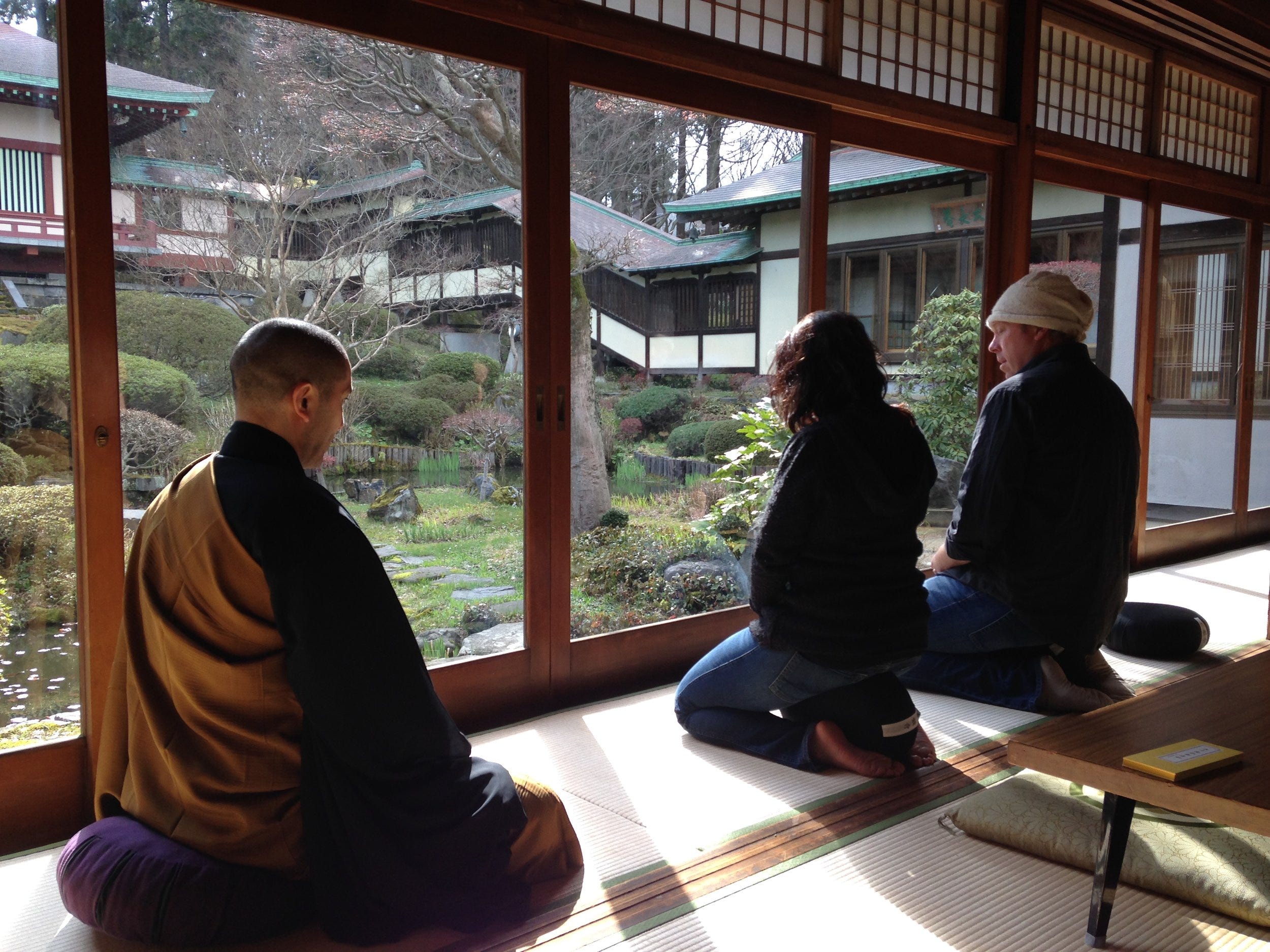
Eastern culture, on the other hand, is a variation on the Thessalonian view. It manifests a deep-rooted pessimism regarding human effort. Since all work is tainted with selfishness and pride, the solution is to withdraw from all activity into pure being. The symbol of such an attitude is the Buddha—an enormous fat person sitting cross-legged, looking at his own navel. Motionless, inert, quiet. All trouble comes from doing too much; therefore do nothing. Step out of the rat race. The world of motion is evil, so quit doing everything. Say as little as possible; do as little as possible; finally, at the point of perfection, you will say nothing and do nothing. The goal is to withdraw absolutely and finally from action, from thought, from passion.

另一方面,东方文化和帖撒罗尼迦教会的观点大同小异,对于人类的努力,表现出一种根深蒂固的悲观主义。既然人一切作为,难免被自私和骄傲污染,解决之道就是从一切活动退隐,进入纯粹的存有。一切静止、了无生趣、寂静无声。既然一切烦恼来自作为太多,最好什么也不要做,大步走出无休无止的竞争。不停运转的世界充满邪恶,因此你要停止一切活动;尽可能少说话,少做事;一旦达到完美的境界,你就不再言语,不再行动。目标是全面隐退,最后从一切活动、思想、热情中脱离出来。
The two cultures are in collision today, and many think that we must choose between them. But there is another option: Psalm 127 shows a way to work that is neither sheer activity nor pure passivity. It doesn’t glorify work as such, and it doesn’t condemn work as such. It doesn’t say, “God has a great work for you to do; go and do it.” Nor does it say, “God has done everything; go fishing.” If we want simple solutions in regard to work, we can become workaholics or dropouts. If we want to experience the fullness of work, we will do better to study Psalm 127.
这两种文化在今天的世界彼此对立,世人普遍以为我们只能二选一,殊不知我们有另外的出路:诗篇127篇显明另一种工作方式,既不只是将工作视为一种活动,也不是全然消极。这首诗并未高举工作超过其本质,也没有将工作贬到一文不值。这首诗篇没有说:“神为你预备了伟大的工作;快去做吧。”也没有说:“神已经为你成就了一切,钓鱼去吧。”关于工作,如果我们只求简单的答案,很快可以变成工作狂或逃避现实的人;不过如果我们想要充分经历工作的圆满丰盛,研读诗篇127篇会很有帮助。
In the Beginning God Worked 起初神就作工
一旦和这位将“救恩施行在全地”的神失去接触,我们的工作就会出错。
要么是过度担忧,要么就是一点也不想工作;
或是在工作上变成热切的工作狂,或是变得懒散没有生趣。
The premise of the psalm for all work is that God works: “If GOD doesn’t build the house . . . If GOD doesn’t guard the city . . .” The condition if presupposes that God does work: he builds; he guards.
这首诗为所有工作设定了一项前提,那就是神一直在工作:“若不是上帝建造房屋······若不是上帝看守城池······”表明条件的若不是一词,是以神做工为前提:他建造,他看守。
The main difference between Christians and others is that we take God seriously and they do not. We really do believe that he is the central reality of all existence. We really do pay attention to what he is and what he does. We really do order our lives in response to that reality and not to some other. Paying attention to God involves a realization that he works.
基督徒和别人最大的不同,在于我们严肃地面对上帝,而别人却不是。我们确实相信神是一切存在的中心实体;我们确实关心神的所是所为;而我们也确实让自己的生活能够回应那样的事实而不是依照其他标准。关心神的所是和所为,包含体认到他是一位持续工作的神。
The Bible begins with the announcement “In the beginning God created”—not “sat majestic in the heavens,” not “was filled with beauty and love.” He created. He did something. He made something. He fashioned heaven and earth. The week of creation was a week of work. The days are described not by their weather conditions and not by their horoscope readings: Genesis 1 is a journal of work.
圣经一开始就宣告“起初神创造”—不是说他“威严地坐在天上”,不是说他“充满美丽慈爱”。而是说:他创造。他做了一些事;他制造了些东西;他使天地成形。六日的创造就是六天的工作;每天记录的不是天候状况,不是星象命理:创世记第一章是工作日志。
We live in a universe and in a history where God is working. Before anything else, work is an activity of God. Before we go to the sociologists for a description of work or to the psychologists for insight into work or to the economists for an analysis of work, we must comprehend the biblical record: God works. The work of God is defined and described in the pages of Scripture. We have models of creation, acts of redemption, examples of help and compassion, paradigms of comfort and salvation. One of the reasons that Christians read Scripture repeatedly and carefully is to find out just how God works in Jesus Christ so that we can work in the name of Jesus Christ.
我们生活在上帝不断工作的宇宙和历史之中。圣经开宗明义地表明工作是神的行动。因此,在我们研究社会学家如何描述工作,心理学家对工作有何洞见,或者经济学家怎样分析工作以前,必须先认识圣经的记载:神做工。圣经充满对神所做之工的定义和描述。其中有创造的模式、救赎的行动,神帮助人、怜悯人的例子,以及安慰和救恩的范例。基督徒不间断地仔细查考圣经,很重要的一点是要找出神在耶稣基督里工作的方式,以至于我们可以奉耶稣基督的名工作。
In every letter St. Paul wrote, he demonstrated that a Christian’s work is a natural, inevitable and faithful development out of God’s work. Each of his letters concludes with a series of directives that guide us into the kind of work that participates in God’s work. The curse of some people’s lives is not work, as such, but senseless work, vain work, futile work, work that takes place apart from God, work that ignores the if. Christian discipleship, by orienting us in God’s work and setting us in the mainstream of what God is already doing, frees us from the compulsiveness of work. Hilary of Poitiers taught that every Christian must be constantly vigilant against what he called “irreligiosa solicitudo pro Deo”—a blasphemous anxiety to do God’s work for him.
保罗在他每一封书信里都展现出来:基督徒的工作,是极其自然、无可阻挡、必然信实的,是从神的作为所发展出来的。而每封信的结尾,保罗都一步步引导我们参与神的工作。很不幸,有些人的生活不是这样,他们的工作了无意义、徒劳无益而且微不足道,这样的工作是离开神的结果,是忽视了这首诗一开始所说的若。门徒的训练,就是借着神所作的工来校正自己,在神的作为中寻找到自己的定位,免得我们成为工作狂。图尔斯的圣者希拉里(Hilary of Tours)提醒基督徒必须时时警惕,避免陷入他所谓的“irreligiosa solicitudo pro Deo”—以一种亵渎的焦虑来为神工作。①

Our work goes wrong when we lose touch with the God who works “his salvation in the midst of the earth.” It goes wrong both when we work anxiously and when we don’t work at all, when we become frantic and compulsive in our work (Babel) and when we become indolent and lethargic in our work (Thessalonica). The foundational truth is that work is good. If God does it, it must be all right. Work has dignity: there can be nothing degrading about work if God works. Work has purpose: there can be nothing futile about work if God works.
一旦和这位将“救恩施行在全地”的神失去接触,我们的工作就会出错。要么是过度担忧,要么就是一点也不想工作;或是在工作上变成热切的工作狂(像建巴别塔的人),或是变得懒散没有生趣(像帖撒罗尼迦的会众)。工作是美好的,这是最基本的真理。假如神都工作,工作必然是好的。工作有其尊严:假如神都工作,那么工作就不卑微。工作是有意义的:假如神都工作,工作就不是徒劳无益。
Effortless Work 省力的工作
The psalm not only posts a warning, it gives an example: “Don’t you see that children are GOD’s best gift? the fruit of the womb his generous legacy? Like a warrior’s fistful of arrows are the children of a vigorous youth. Oh, how blessed are you parents, with your quivers full of children! Your enemies don’t stand a chance against you.”
这篇诗篇不单提出警告,也给了我们正面的例子:“岂不知儿女是上帝最好的礼物?所怀的胎是他慷慨的赏赐?少年时所生的儿女,好像勇士手中的箭。啊,你们做父母的何等有福,儿孙满堂!仇敌根本没有胜过你们的机会,你们在门口就把他们清除尽净。”
In contrast to the anxious labor that builds cities and guards possessions, the psalm praises the effortless work of making children. Opposed to the strenuous efforts of persons who, in doubt of God’s providence and mistrust of human love, seek their own gain by godless struggles is the gift of children, born not through human effort but through the miraculous processes of reproduction which God has created among us. The example couldn’t have been better chosen. What do we do to get sons and daughters? Very little. The entire miracle of procreation and reproduction requires our participation, but hardly in the form of what we call our work. We did not make these marvelous creatures that walk and talk and grow among us. We participated in an act of love that was provided for us in the structure of God’s creation.
建造城市和守护产业都得花很大的力气,与此相反的,这首诗赞美繁衍子孙这件省力的工作。儿女是神的赏赐,不是靠人努力得来,而是仰赖神在人间所创造的奇妙的生殖过程;这和那些为己利汲汲营营,怀疑神的供应和人类之爱的人,在不信神中所做的挣扎正好是相反的。再没有比这更合适的例子了。人究竟需要做些什么,才能拥有儿女?事实上很少。整个生殖和繁衍的神迹虽然需要我们参与,但是几乎构不上一般所谓的工作形式。并不是我们制造这些会走、会讲话、会在我们当中成长的奇妙小生物,我们只不过以一个爱的行动,参与神为我们所提供的创造的架构。
Jesus leads us to understand the psalmist’s sons in terms representative of all intimate and personal relationships. He himself did not procreate children, yet by his love he made us all sons and daughters (Mt 12:46-50). His job description was “My Father is working straight through . . . . So am I” (Jn 5:17). By joining Jesus and the psalm we learn a way of work that does not acquire things or amass possessions but responds to God and develops relationships. People are at the center of Christian work. In the way of pilgrimage we do not drive cumbersome Conestoga wagons loaded down with baggage over endless prairies. We travel light. The character of our work is shaped not by accomplishments or possessions but in the birth of relationships: “Children are GOD’s best gift.” We invest our energy in people. Among those around us we develop sons and daughters, sisters and brothers even as our Lord did with us: “Oh, how blessed are you parents with your quivers full of children!”
耶稣引导我们了解,这首诗里的儿女,事实上代表了一切亲密的个人关系。虽然他自己没有生儿育女,因着他的爱,我们都成为他的儿女(太12:46~50)。他的职责撮要是“我父一直做事......我也做事”(约5:17)。借着加入耶稣和这首诗的行列,我们学会一种工作方式,那不是为得到什么或累积财富而做,而是为了回应神并发展关系,因为人本身才是基督徒工作的中心。身为天路客,我们不是开着西部拓荒时代笨重的宽轮篷车,载着大包小包地横跨绵延无尽的大草原;我们乃是轻装简行。我们的工作特色,不是以成就或财富衡量,而是在于关系的诞生:“儿女是上帝最好的礼物。”我们将精力投资在人的身上,使周遭的人都发展成为我们的儿女和兄弟姊妹,如同我们的主对待我们那样:“啊,你们做父母的何等有福,儿孙满堂!”

For it makes very little difference how much money Christians carry in their wallets or purses. It makes little difference how our culture values and rewards our work . . . if God doesn’t. For our work creates neither life nor righteousness. Relentless, compulsive work habits (“work your worried fingers to the bone”) which our society rewards and admires are seen by the psalmist as a sign of weak faith and assertive pride, as if God could not be trusted to accomplish his will, as if we could rearrange the universe by our own effort.
口袋里钱多还是少,实在不那么重要。我们的文化如何看重或报答我们的工作,也没多少区别······倘若神不在其中。因为我们的工作既不能创造生命,也不能创造公义。毫不留情、做个不停的工作狂(“作到纤纤十指劳烦蚀骨”),乃是现今社会重视和夸奖的工作习惯,然而,诗人却视此为信心不足和骄傲自大的表现,仿佛我们信不过神能成就他的旨意,仿佛只要靠自己努力,就能将宇宙重新排列。
What does make a difference is the personal relationships that we create and develop. We learn a name; we start a friendship; we follow up on a smile—or maybe even on a grimace. Nature is profligate with its seeds, scattering them everywhere; a few of them sprout. Out of numerous handshakes and greetings, some germinate and grow into a friendship in Christ. Christian worship gathers the energy and focuses the motivation that transform us from consumers who use work to get things into people who are intimate and in whom work is a way of being in creative relationship with another. Such work can be done within the structure of any job, career or profession. As Christians do the jobs and tasks assigned to them in what the world calls work, we learn to pay attention to and practice what God is doing in love and justice, in helping and healing, in liberating and cheering.
上述这些都不重要,重要的是我们所创造并发展出的个人关系:记住一个名字,交个新朋友,对一个微笑—甚至一张鬼脸的响应。虽然大自然到处挥撒种子,撒满大地,却只有少部分会发芽。同样地,在握过无数的手、打过无数的招呼之后,可能只有少数得以生长,会在基督里长大成为主内肢体。敬拜就是要将我们的精力与动机汇集聚焦,把我们从一个视工作为赚取物质利益的消费者,转化成一个愿意与人亲密,并且使工作成为和别人建立创意关系的生活方式。这样的工作模式,可以运作在任何一种职业和专业的架构下。基督徒从事世上的工作和职业时,要注意神在爱和公义中的作为、在帮助和医治中的作为、在释放和安慰中的作为,并且照着去做。

The first people to sing this psalm had expended much effort to get to Jerusalem. Some came great distances and overcame formidable difficulties. Would there be a tendency among the pilgrims to congratulate one another on their successful journey, to swell with pride in their accomplishment, to trade stories of their experiences? Would there be comparisons on who made the longest pilgrimage, the fastest pilgrimage, who had brought the most neighbors, who had come the most times? Then, through the noise of the crowd, someone would strike up the tune: “If GOD doesn’t build . . . guard . . .” The pilgrimage is not at the center; the Lord is at the center. No matter how hard they had struggled to get there, no matter what they did in the way of heroics—fending off bandits, clubbing lions, crushing wolves—that is not what is to be sung. Psalm 127 insists on a perspective in which our effort is at the periphery and God’s work is at the center.
第一批唱着这首诗的天路客,通常得费尽力气才能抵达耶路撒冷。有些人需要长途跋涉,克服千辛万苦。他们岂不是很自然会彼此寒暄恭贺旅程顺利,或是骄傲自负地夸口自己的成就,或是交换彼此的心得?他们难道不会相互较量:谁走得最远,谁走得最快,或是谁带领最多朋友同行,谁来最多次?然后,就在群众七嘴八舌的时候,有人会适时带头唱出:“若不是上帝建造·····看守······”这首诗提醒他们:天路客不是天路历程的中心,主才是中心。不论沿途曾经遭遇多少困苦,不论他们有多少可歌可泣的英勇行径—击退抢匪、棒打猛狮、打倒豺狼—这些都不是他们应该歌颂的对象。这就是诗篇127篇坚持的观点:我们的努力不过是次要的部分,神的作为才是中心和重点。
① Hilary of Tours, quoted in G. A.Studdert-Kennedy, The Word and Work(London: Hodder & Stoughton, 1965),p.33.
本文出自于《A Long Obedience in the Same Direction - Discipleship in an Instant Society》by Eugene H. Peterson - Chapter 09
中文名《天路客的行囊 - 诗篇上行诗导读》郭秀娟译 南京大学出版社出版